
09 Oct 18: University's Star Baker
This week, I decided to take part in the university's baking competition, where the challenge was to create a dessert inspired by your scientific research. I study, among other things, the mosquitoes that transmit malaria, so I made a gin and tonic cake decorated with a neural network made of cucumber and physalis.
The reason behind this choice is that the gin and tonic mix was invented by the British during the Victorian era to make tonic water more enjoyable when they were on missions or business trips in tropical regions. Tonic water contains quinine, which is an antimalarial compound.
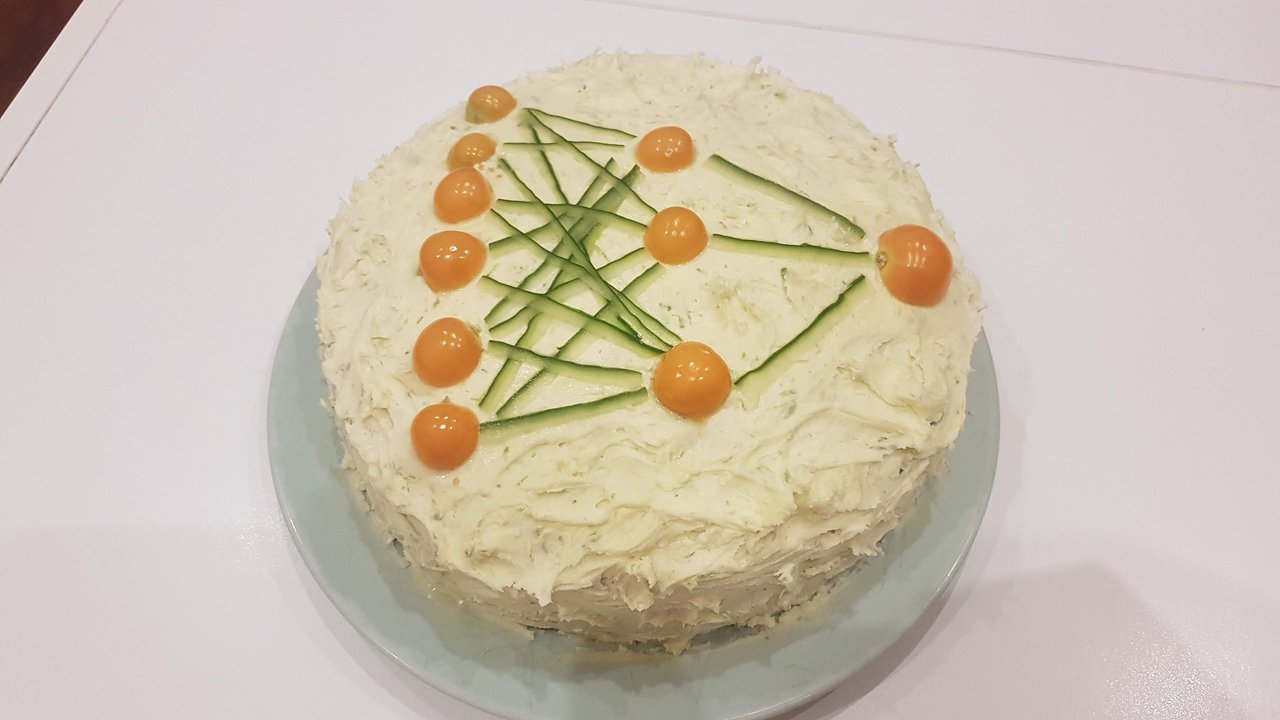
I used this recipe from the BBC, and here it is:
Gin & Tonic Cake Recipe
Ingredients
For the cake
- 250g salted butter
- 325g golden caster sugar (or light brown sugar)
- 4 eggs
- 250g self-raising flour
- 75g natural yogurt
- Juice of 2 large limes
- 75ml gin
- 150ml tonic water
- 1 tsp juniper berries, lightly crushed
For the icing
- 200g softened butter
- 400g icing sugar
- 2 tbsp milk
- Zest of 3 limes (using the juiced limes from above)
For decoration
- 2 limes (zest of both and 1 sliced into thin wedges)
- 1 tbsp granulated sugar
- Lemon sherbet candies
- ¼ cucumber, peeled into thin ribbons
- Decorative straws
Method
Step 1
Preheat the oven to 180°C (160°C fan) or gas mark 4. Grease and line two 20cm cake tins.
In a stand mixer or using an electric whisk, beat the butter with 200g of the sugar until pale and fluffy (around 5 minutes). Add the eggs one at a time, ensuring each is fully incorporated before adding the next. If the mixture starts to curdle, add a tablespoon of flour before folding in the remaining sifted flour.
Mix the yogurt with the juice of one lime and 50ml of the gin, then fold it into the batter until you get a thick and silky mixture. Divide the mixture between the cake tins and bake for 35 minutes, or until a skewer inserted in the centre comes out clean.
Step 2
While the cake is baking, make the syrup. In a saucepan over medium heat, combine the remaining sugar, tonic water, juniper berries, and juice of one lime. Once the sugar has dissolved, bring it to a boil and let it cook for 5-7 minutes until it thickens into a syrup. Let it cool for 5 minutes, strain the mixture, then stir in the remaining gin. Set aside.
Step 3
Once the cakes are out of the oven, let them cool for 5 minutes. Then, prick them all over with a skewer and generously spoon the syrup over both cakes. Let them cool completely in their tins.
Step 4
To make the buttercream, beat the butter until soft, then gradually add the icing sugar to avoid a sugar cloud. Once fully incorporated, add the milk and lime zest.
Step 5
To assemble, place one cake layer on a serving board and cover with 1/3 of the buttercream. Place the second layer on top, then spread a thin layer of icing over the entire cake and refrigerate for 30 minutes. This will make it easier to apply the remaining icing smoothly. Use the rest of the buttercream to cover the top and sides of the cake.
Step 6
For decoration, mix the lime zest with the granulated sugar and sprinkle it over the cake. Finish with lemon sherbets, lime slices, cucumber ribbons, decorative straws, and any other gin & tonic-themed garnishes you like.
I did make a couple of small modifications: I added 1 tablespoon of baking powder to the cake batter, and instead of using two separate cake tins, I baked the batter in one tin in two batches. I also skipped the juniper berries and, as mentioned earlier, decorated with physalis instead.
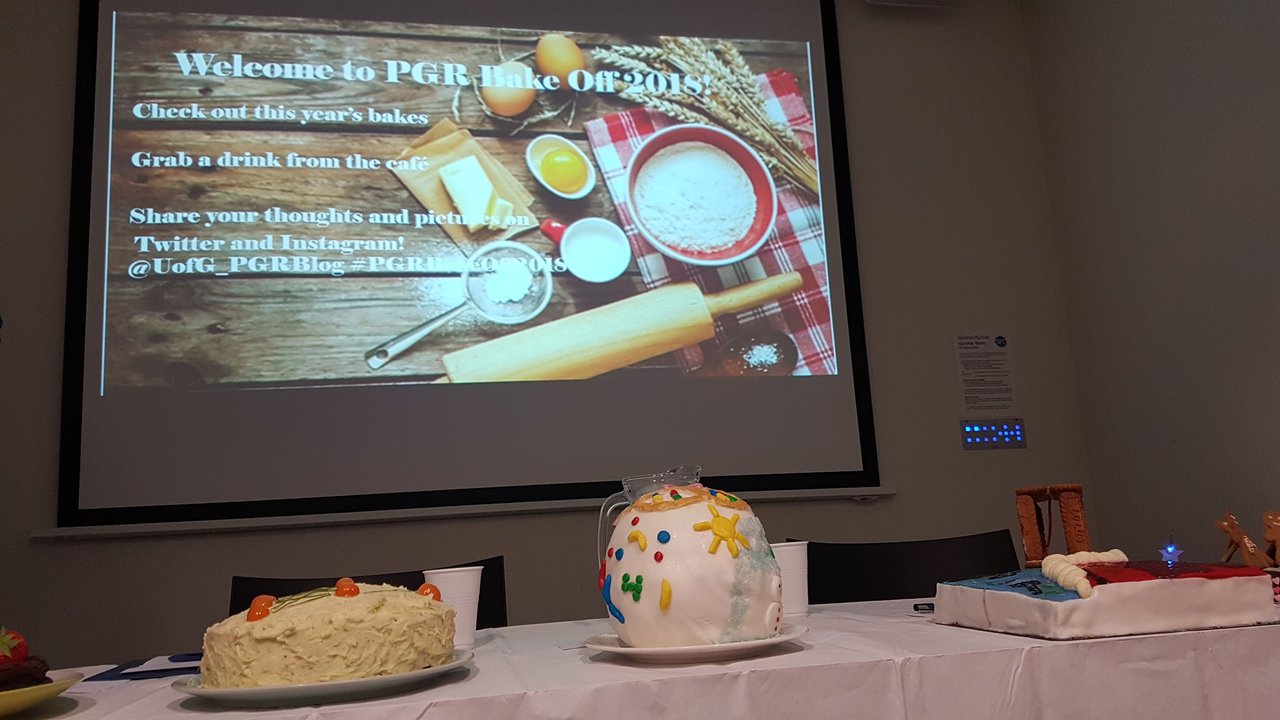
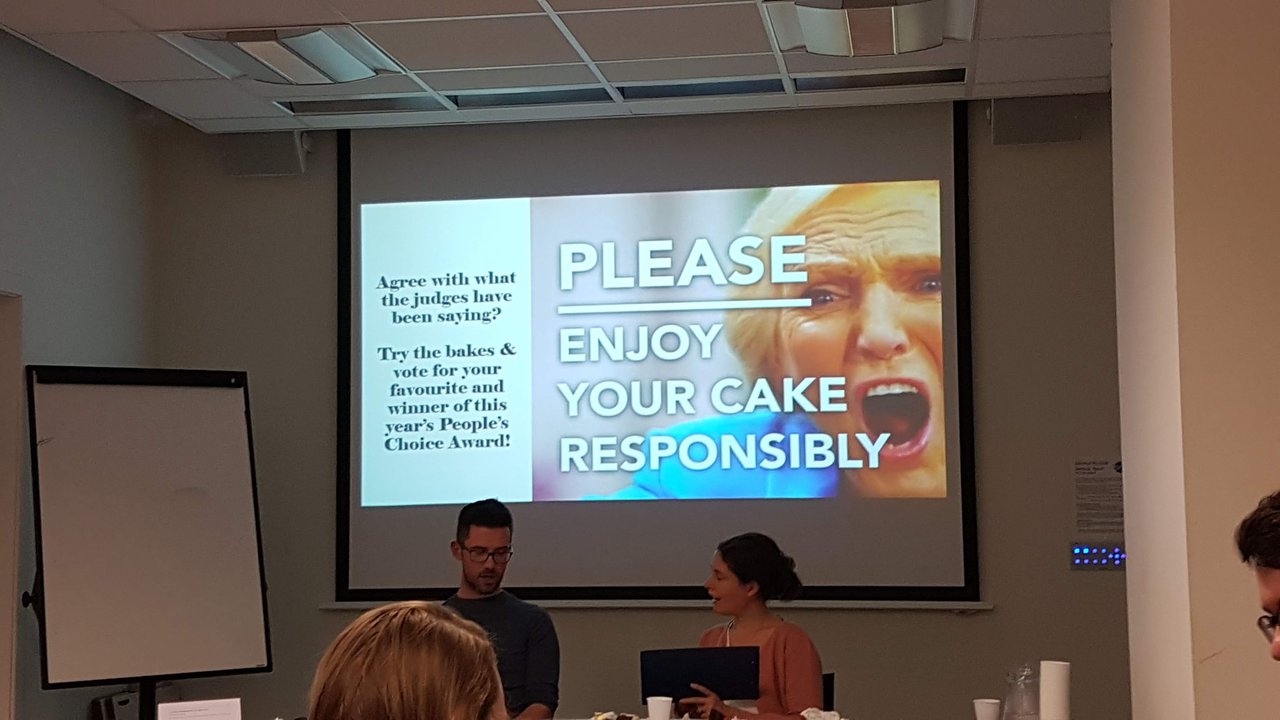
The cake turned out great and guess what? I won! 🎉
|
Next post: 22 Dec 18: Our Work Featured in The Economist |
Previous post: 2 Apr 2018: Julio Casado Dies |