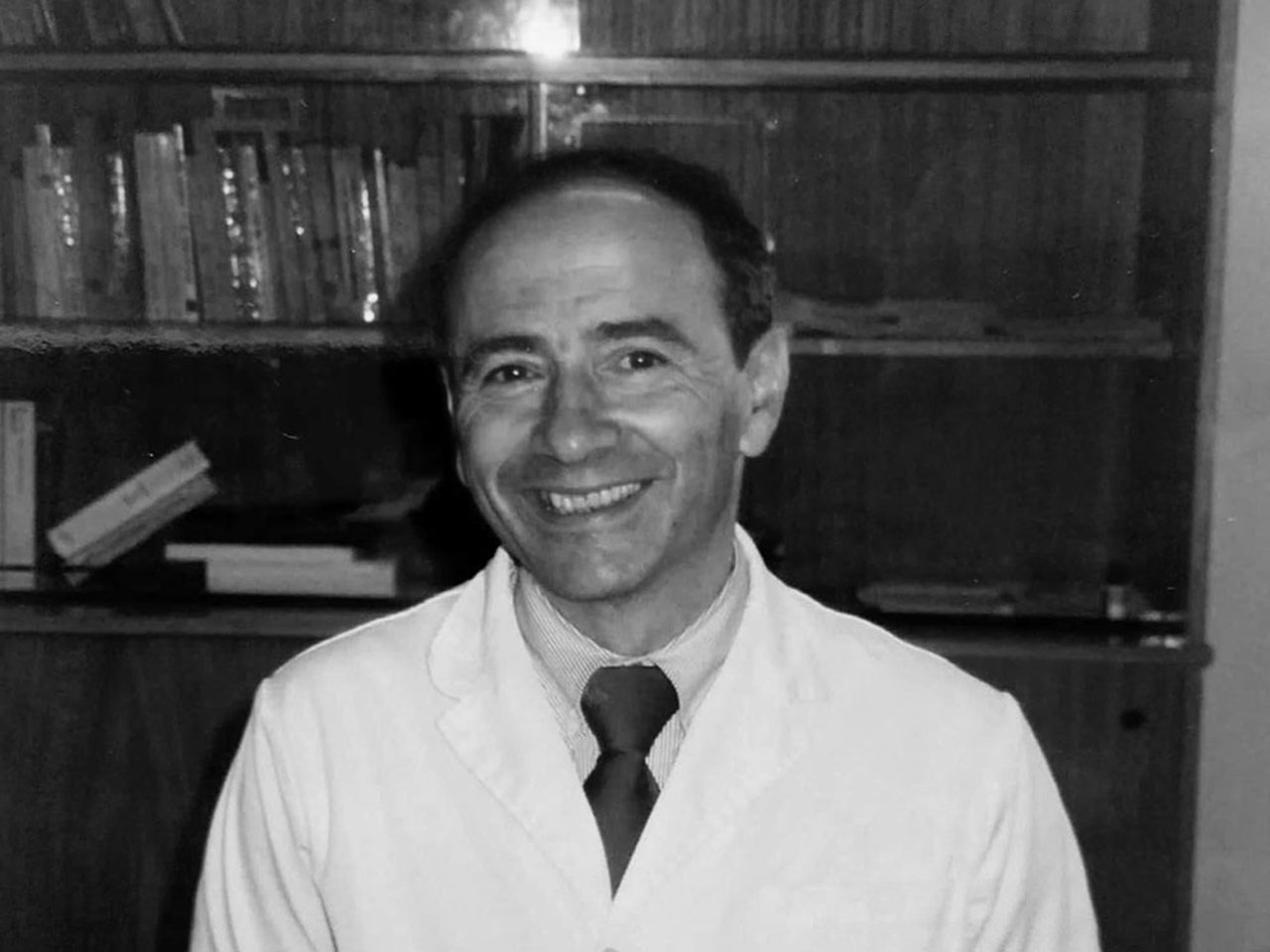
2 Apr 2018: Julio Casado Dies
I transcribe below the obituary written by Arturo López Quintela
On April 2nd, Professor of Physical Chemistry Dr. Julio Casado Linarejos passed away. Born in Palencia in 1939, he earned his Ph.D. in Chemical Sciences from the University of Valladolid in 1965 and later completed a postdoctoral stay with Professor Børge Bak at the University of Copenhagen, focusing on Microwave Spectroscopy. Upon his return, as an Adjunct Professor at the University of Valladolid, he established the first microwave laboratory in Spain. In 1973, at just 34 years old, he was appointed Professor of Physical Chemistry at the University of Santiago de Compostela, where he worked for over a decade, leaving an indelible mark both scientifically and academically by creating a research group in chemical kinetics of international renown. During his tenure at the University of Santiago, his roles as Vice-Rector and Director of the Institute of Educational Sciences (ICE) were particularly noteworthy.
He later moved to the University of Salamanca, where he established a research group focused on the mechanisms of bioactive compound formation. He was awarded the Research Medal of the Spanish Royal Society of Chemistry (RSEQ) in 1992 and the Aldrich Chemistry Research Award. He served on the Governing Board of the RSEQ, the National Commission for the Evaluation of Research Activity (CNEAI), and was Director of the National Agency for Evaluation and Foresight (ANEP) from 1996 to 2000.
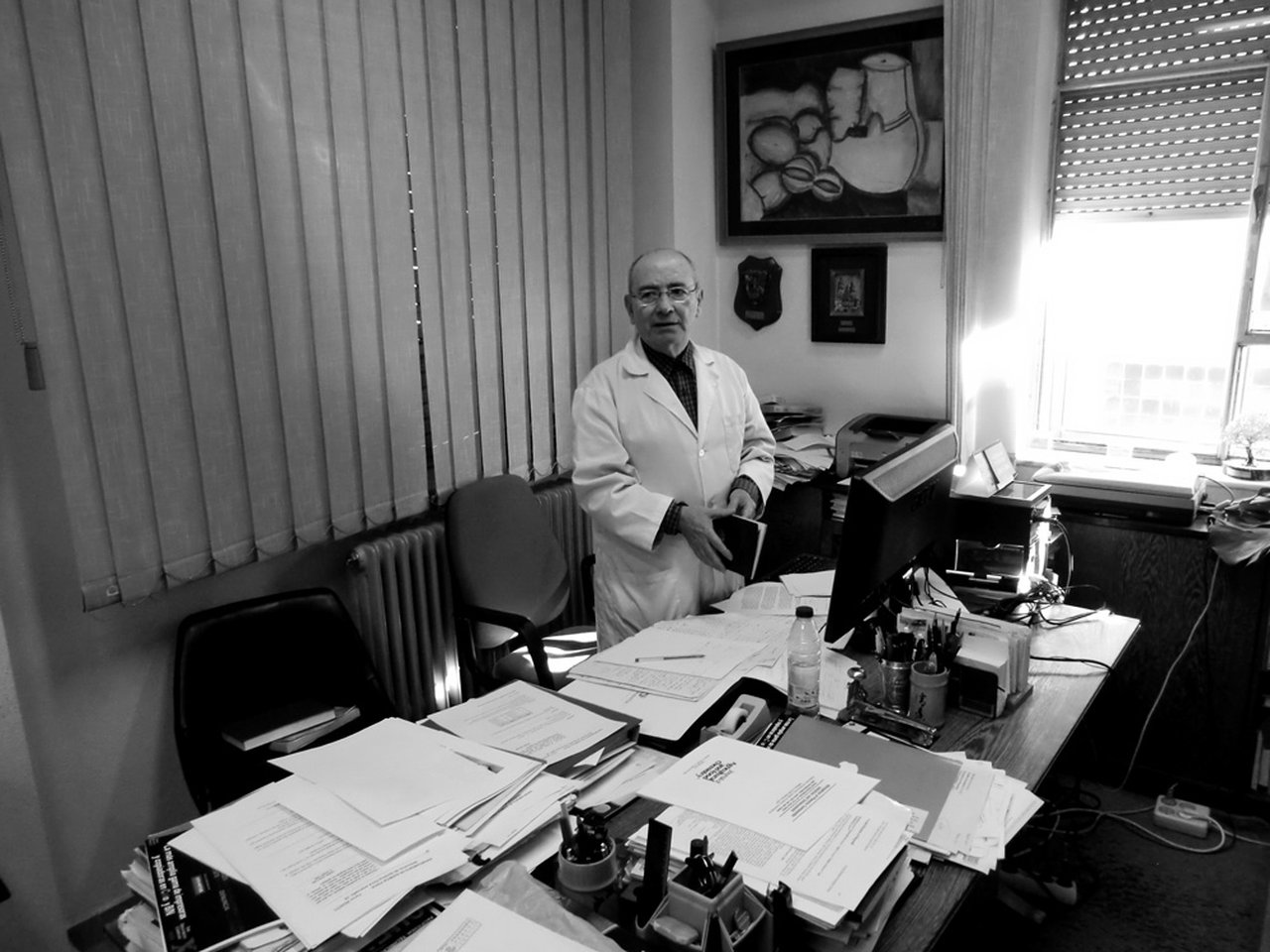
A Palencian by birth, a Galician by adoption, and a citizen of the world, he engaged with people of all social classes and political beliefs with equal warmth and kindness, leaving a profound impression on everyone fortunate enough to know him. This was true in all aspects of his life. His university students regarded him as one of the best professors. Even those who found Physical Chemistry particularly challenging recognised his dedication in carefully preparing engaging and well-structured lectures. Thanks to his vast knowledge in various fields, his lectures—on all kinds of topics—were truly masterful. They astonished listeners by referencing classics such as Cicero and Socrates, alongside his admired Ortega y Gasset, as well as philosophers, scientists, writers, and historians, all of whom added both depth and accessibility to his presentations.
He remained a great conversationalist until the very end, even when illness confined him within the four walls of his apartment, densely packed with books. "I carry him in my heart; it was a privilege to have known him," wrote a palliative care doctor who had treated him in his final months. And that was the feeling one had after speaking with him: he was a person easy to love but impossible to forget.
"One of the most remarkable achievements of the human mind has been the ability to understand what we cannot see—both in
the realm of the infinitely small and the infinitely large," Professor Casado said in a lecture on Chemistry and the Life
Sciences just a decade ago. He then quoted Ortega y Gasset:
"Life is a chain reaction, each step inevitably triggering the next until the predetermined and inevitable sequence is
completed. From the very first moment, like a projectile in its trajectory, life is launched towards its consummation...
The inexorable process cannot be altered: it can only be artificially slowed down, making each reaction take longer to
occur."
It was as if, in those words, he had foreseen what he would be doing in his final years—fighting a continuous battle with illness until, peacefully, as if drifting into sleep, he allowed the kinetics to completely deplete its reactants and reach its end.
What remains is a lifetime of dedication, shaping generations of chemists who will never forget all they learned from this great teacher and professor—both scientifically and personally. He never wavered in his commitment to high-quality science and research, even when resources were scarce, and he always sought to instil rigour and excellence in every aspect of life. He also leaves behind a legacy of deep friendship among those who had the privilege of knowing him.
May his soul rest in peace.
|
Next post: 09 OCt 18: University's Star Baker |
Previous post: 9 Mar 2018: Best Poster Prize at the RSCPoster Twitter Conference |