October 1: Rest Day
After two tough days in a row of more than seven hours driving, the trip had a planned rest day in Lausanne. When I woke up and opened the shutters in the room, I said:
– Man, this is just like El Hoyo de Pinares.
Dani found it funny, but what I meant by comparing one of the most important cities in Switzerland with a small village in Gredos was that they shared the same layout, with houses growing like mushrooms at random along the slope of a mountain.
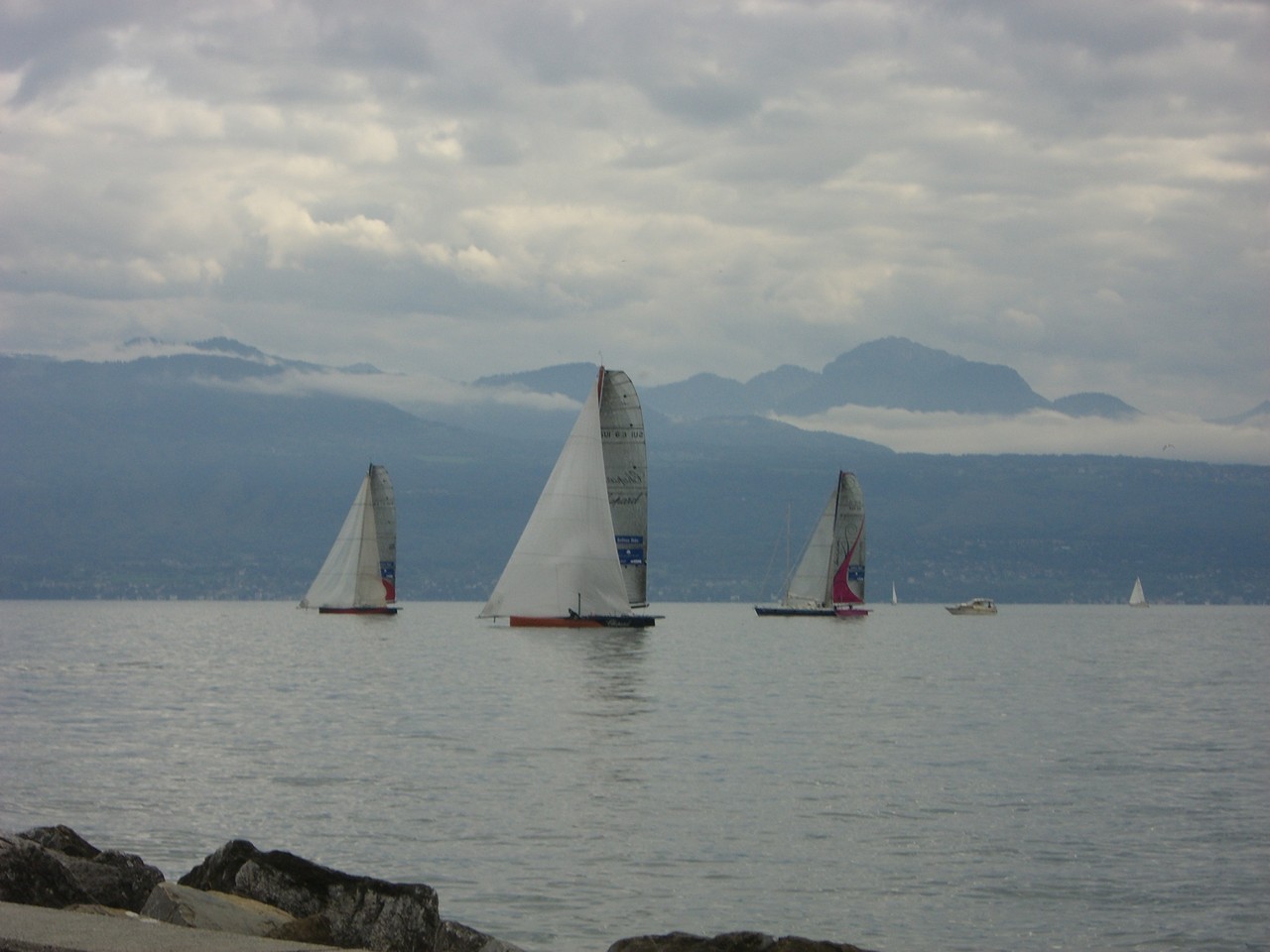
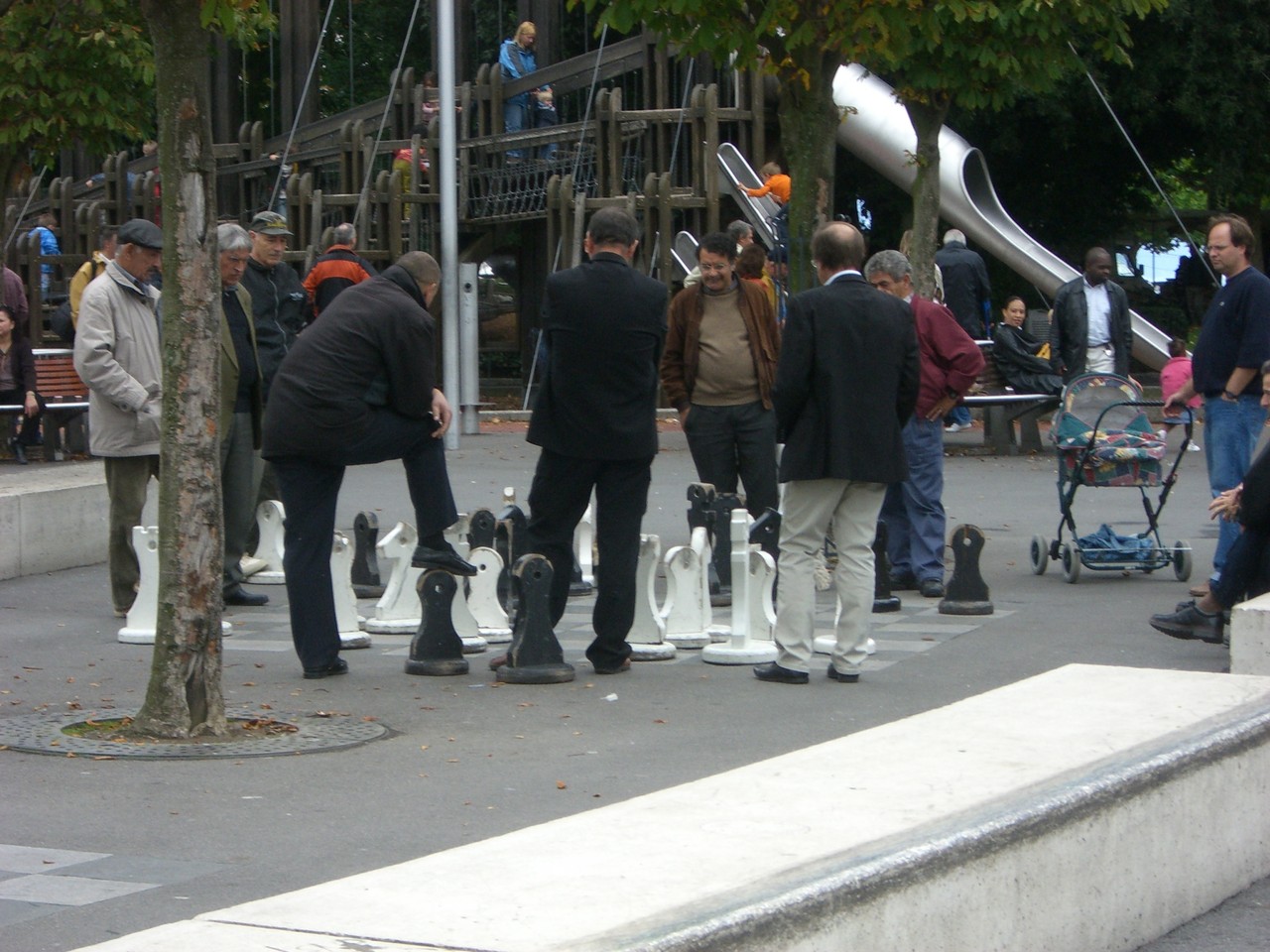
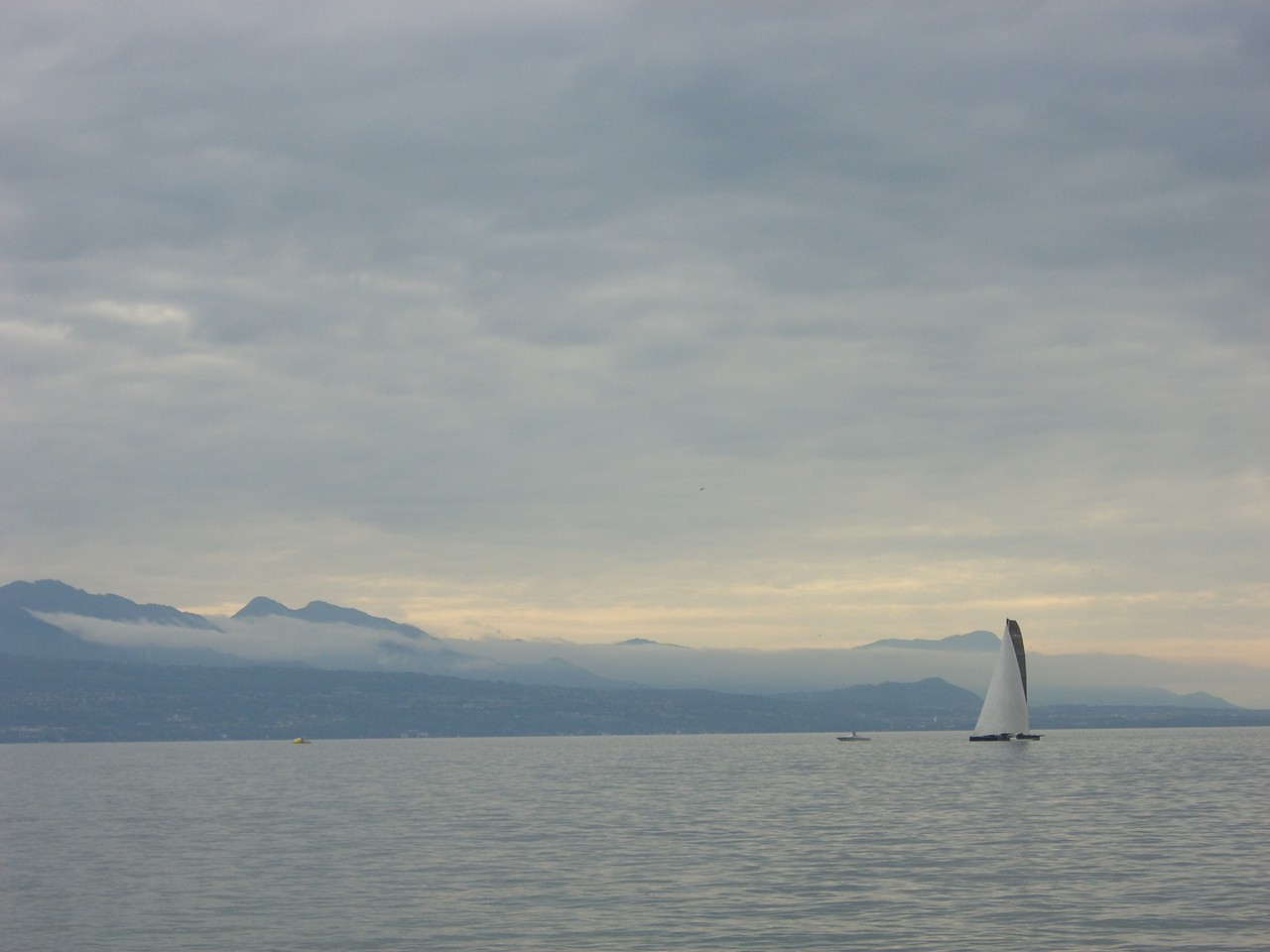
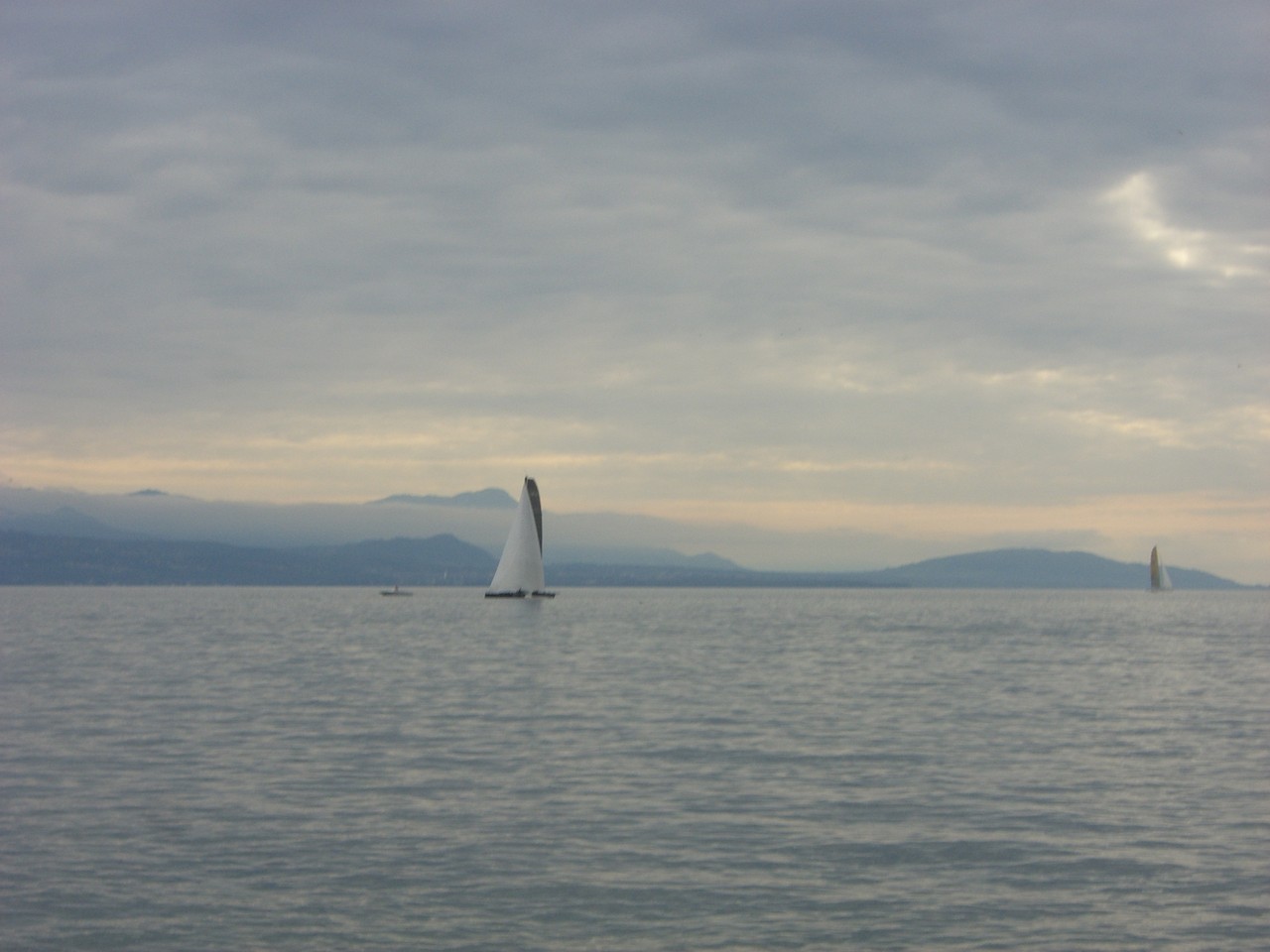
The first place we visited was the city’s harbour on Lake Geneva, a quiet area for a walk, where I took these photos:
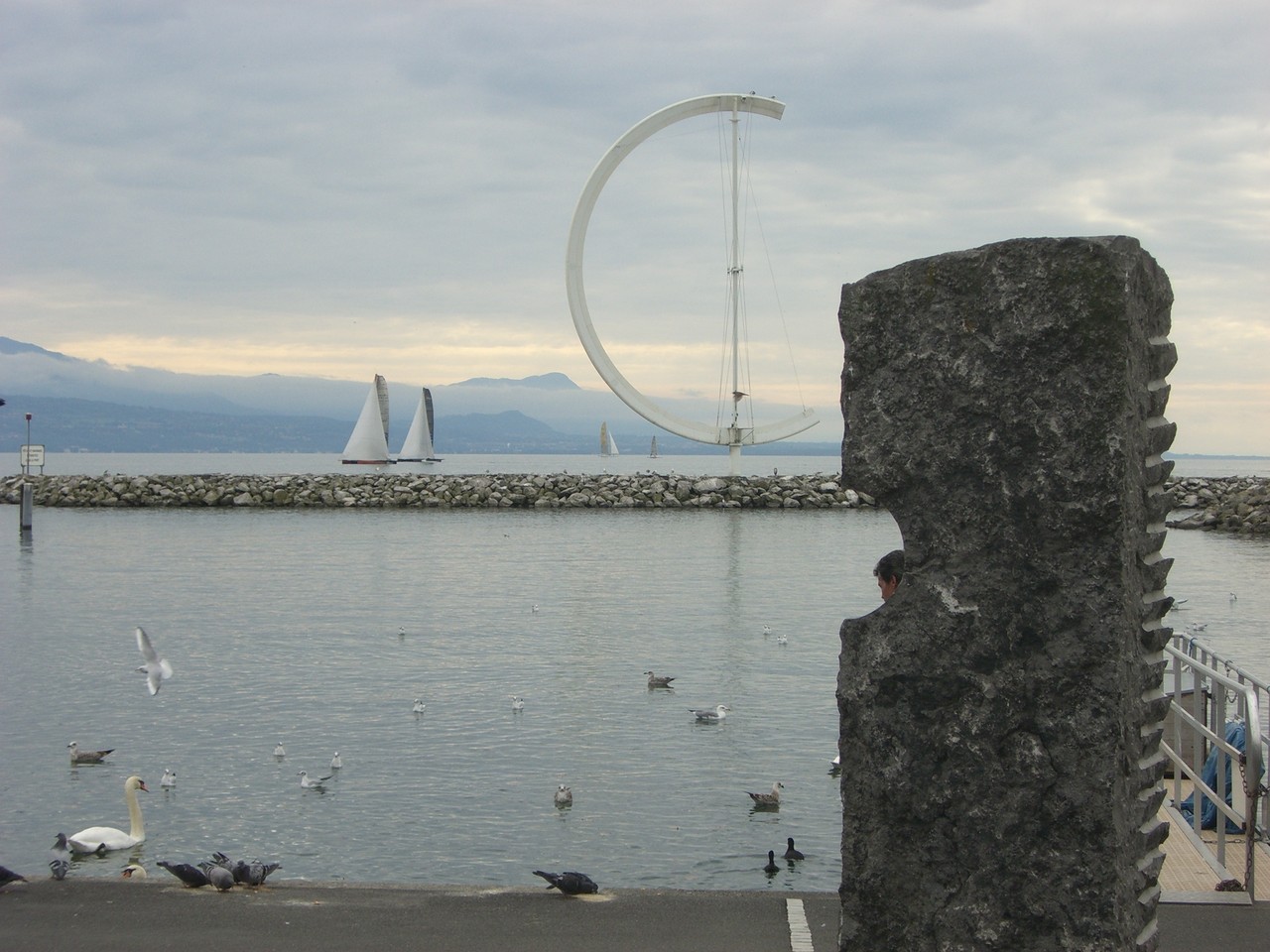
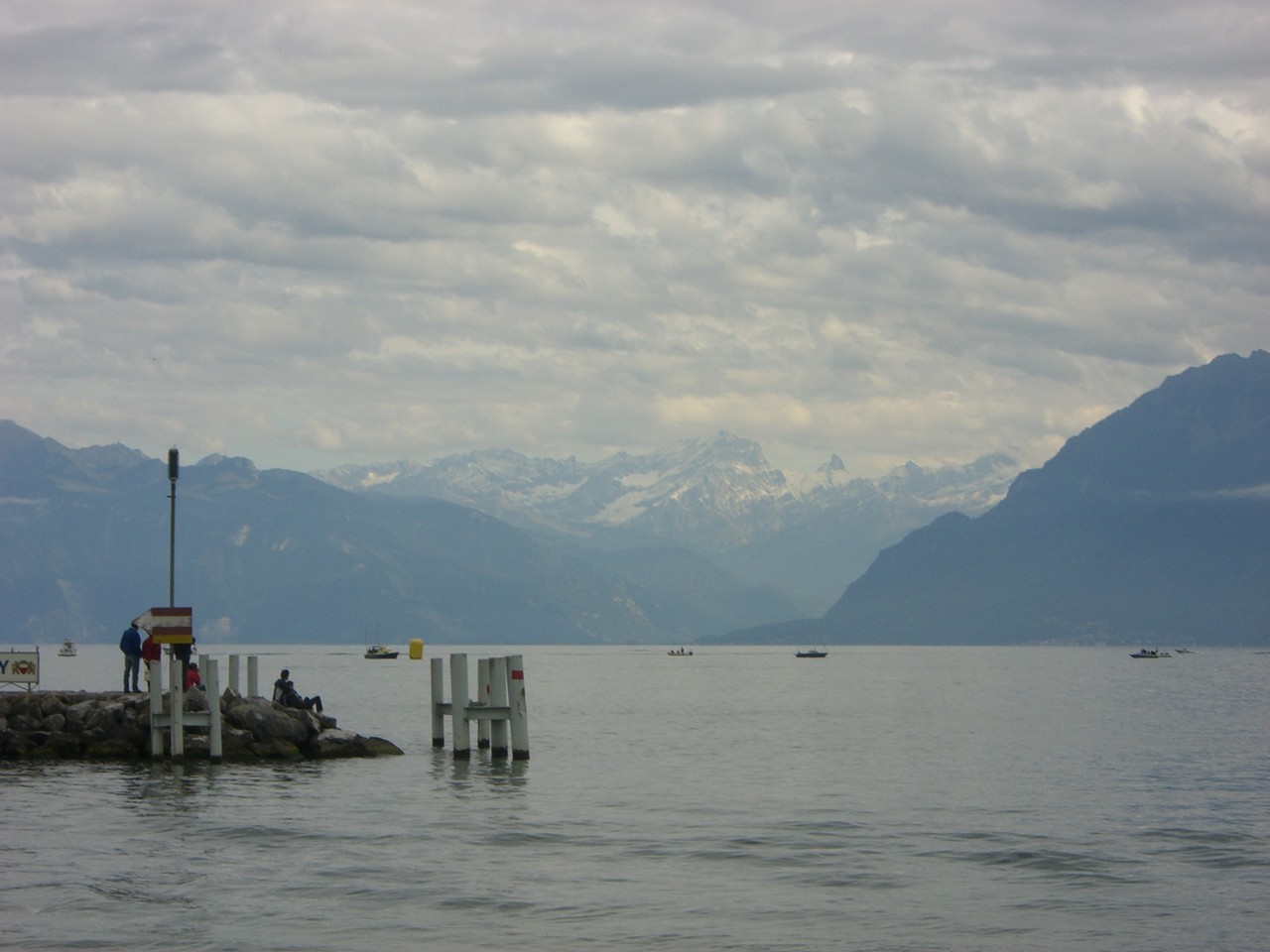
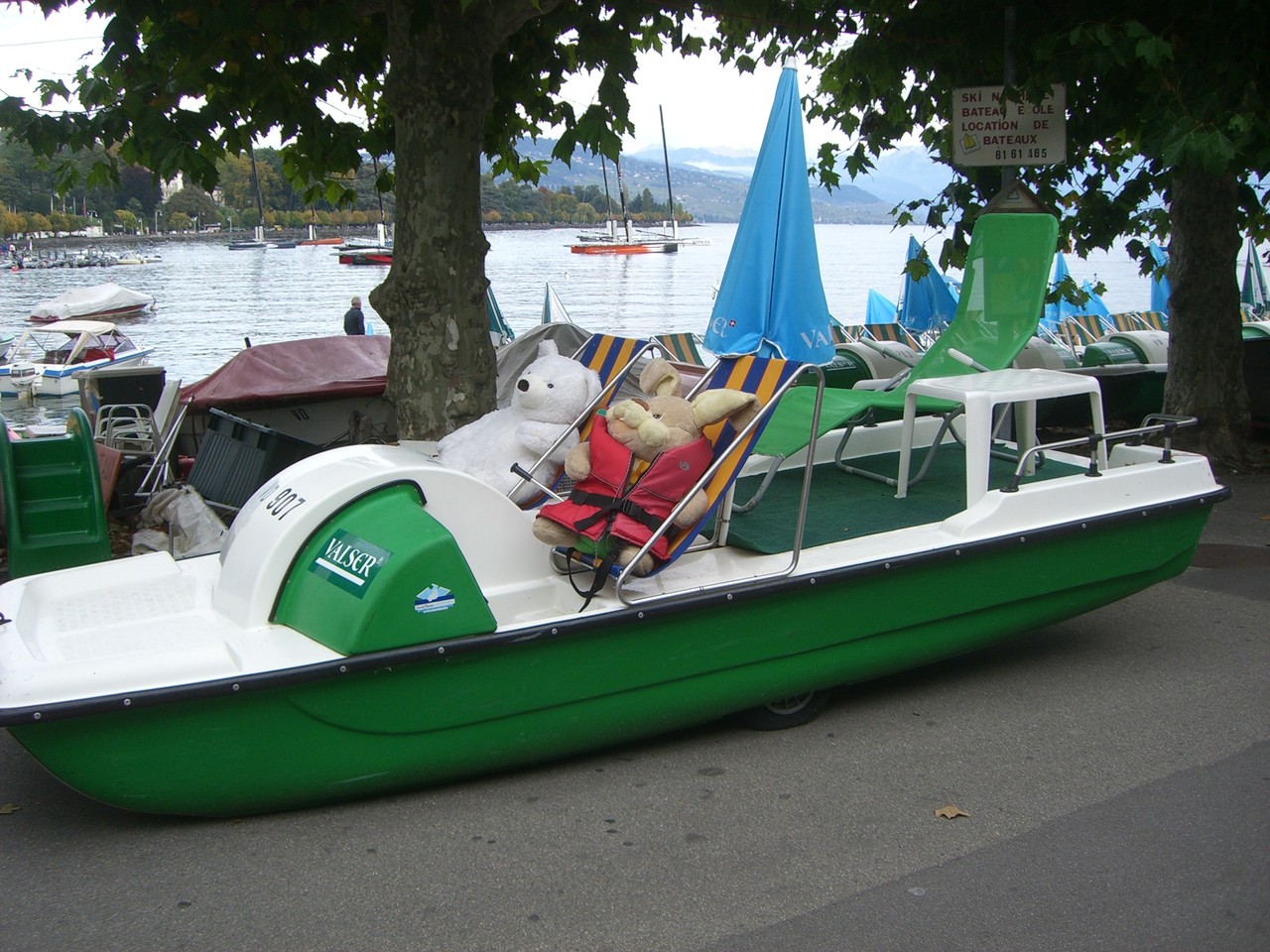
You could also rent a pedal boat:
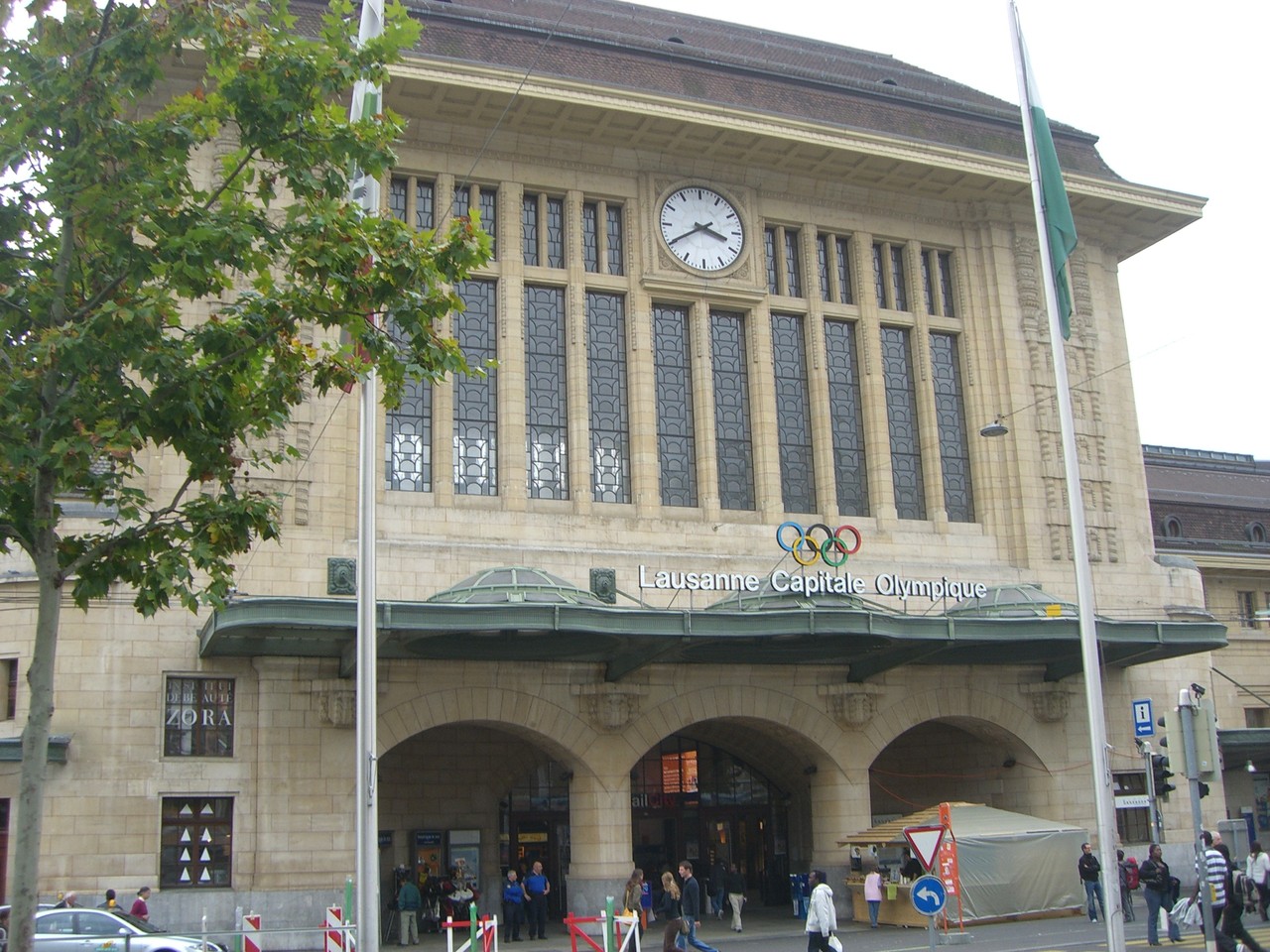
As I mentioned yesterday, Lausanne is home to the International Olympic Committee and other sports organisations (such as the Court of Arbitration for Sport), and they remind you of it as soon as you arrive at the train station:
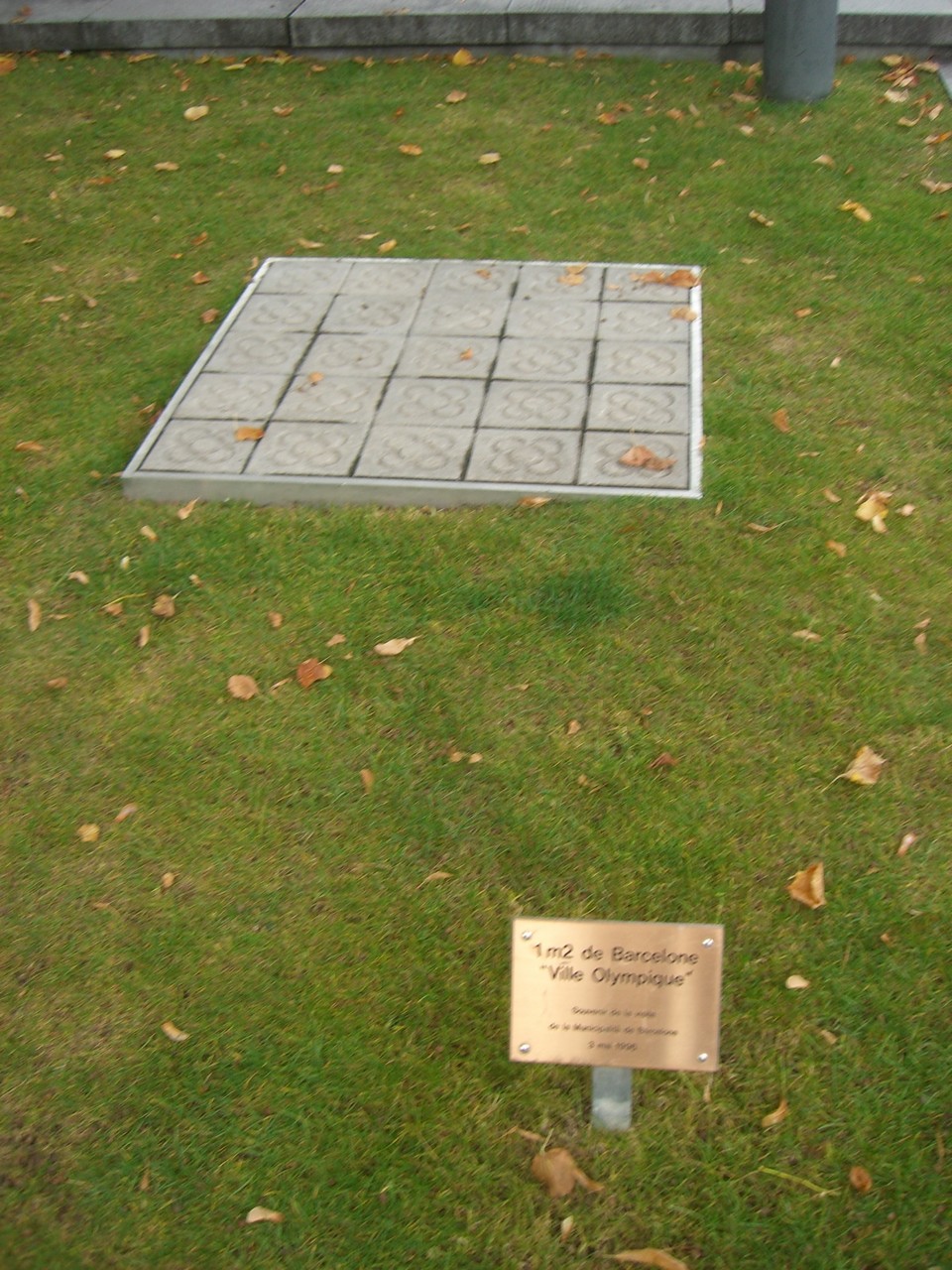
There is also an Olympic Museum inaugurated by Juan Antonio Samaranch next to the harbour. Its gardens are full of sculptures and gifts from different national Olympic committees. What surprised me most was the gift from the city of Barcelona to the museum: one square metre of flooring from the Olympic Village—in other words, a pile of prefabricated slabs:
Since I already knew the city centre from the previous night, when I had gone out for a few beers there, Dani took me to his university to show it to me. As always, this kind of visit did wonders for my morale… The EPFL (École Polytechnique Fédérale de Lausanne) has an incredible campus where students can spend the whole day because, in addition to classrooms, laboratories, and professors’ offices, there are also sports facilities, cafés, shops, bookstores…
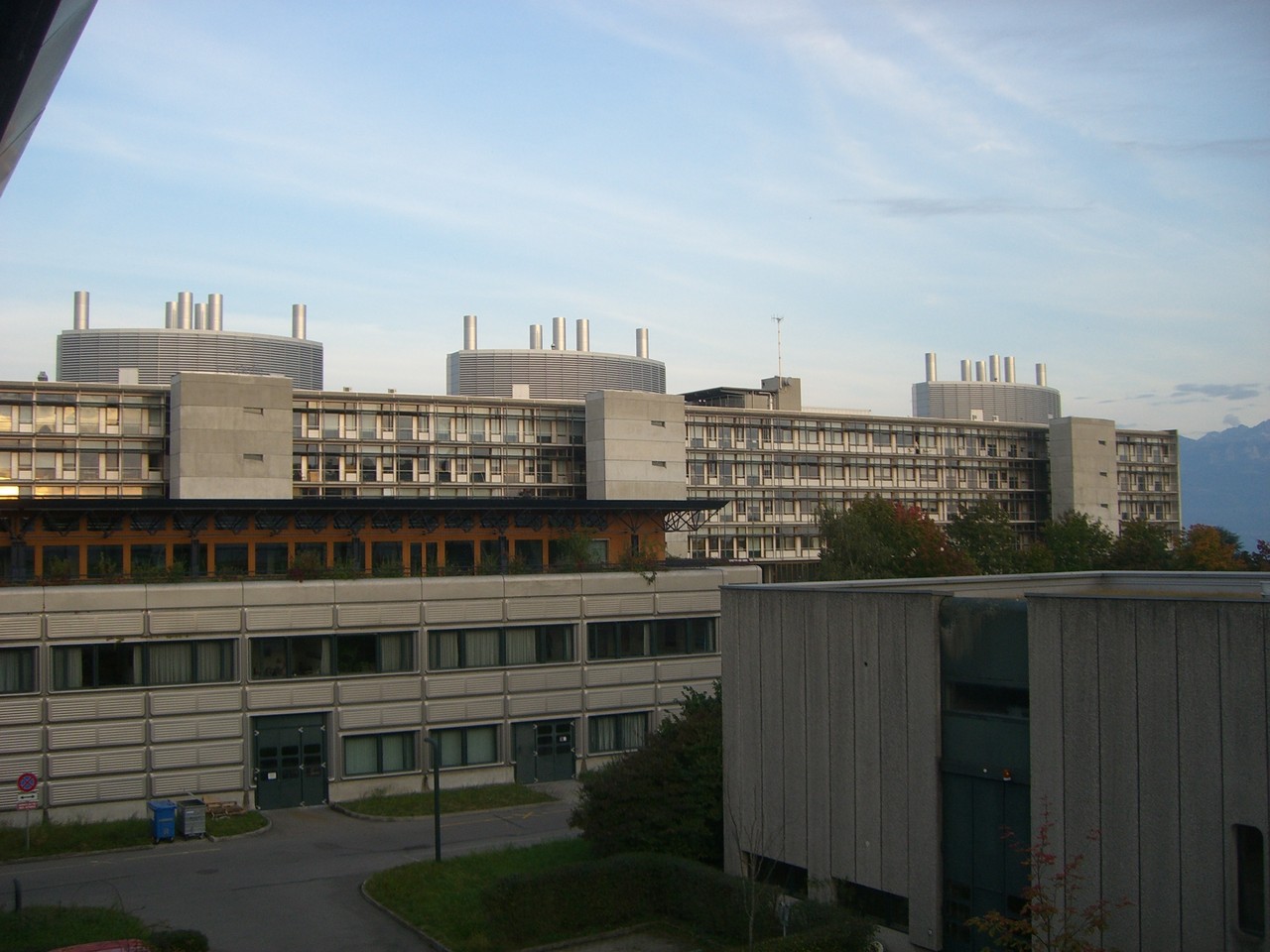
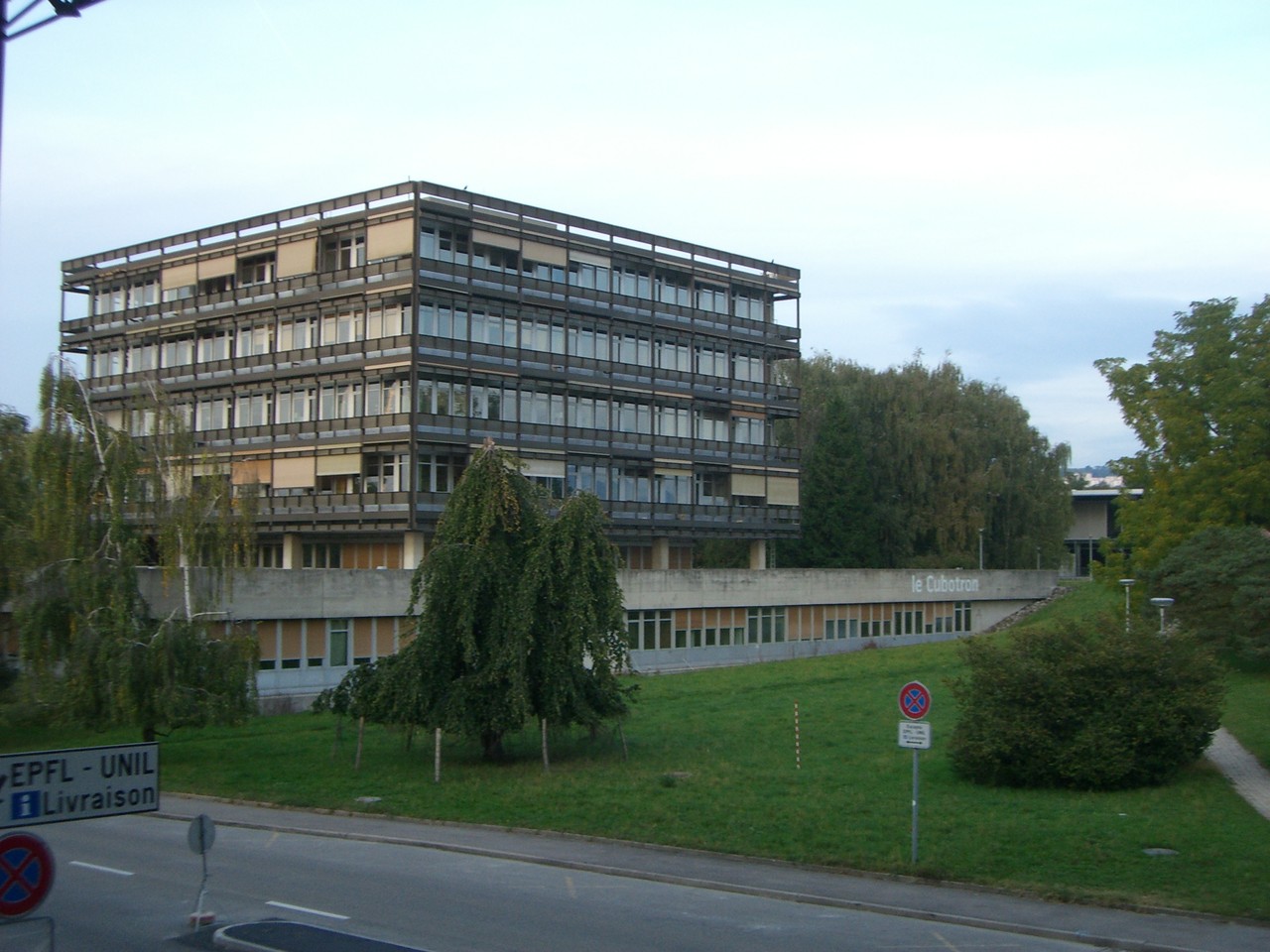
The university looks excellent; it is considered one of the top 30 in the world (the University of Salamanca is around position 470), and according to Daniel, the professors are outstanding.
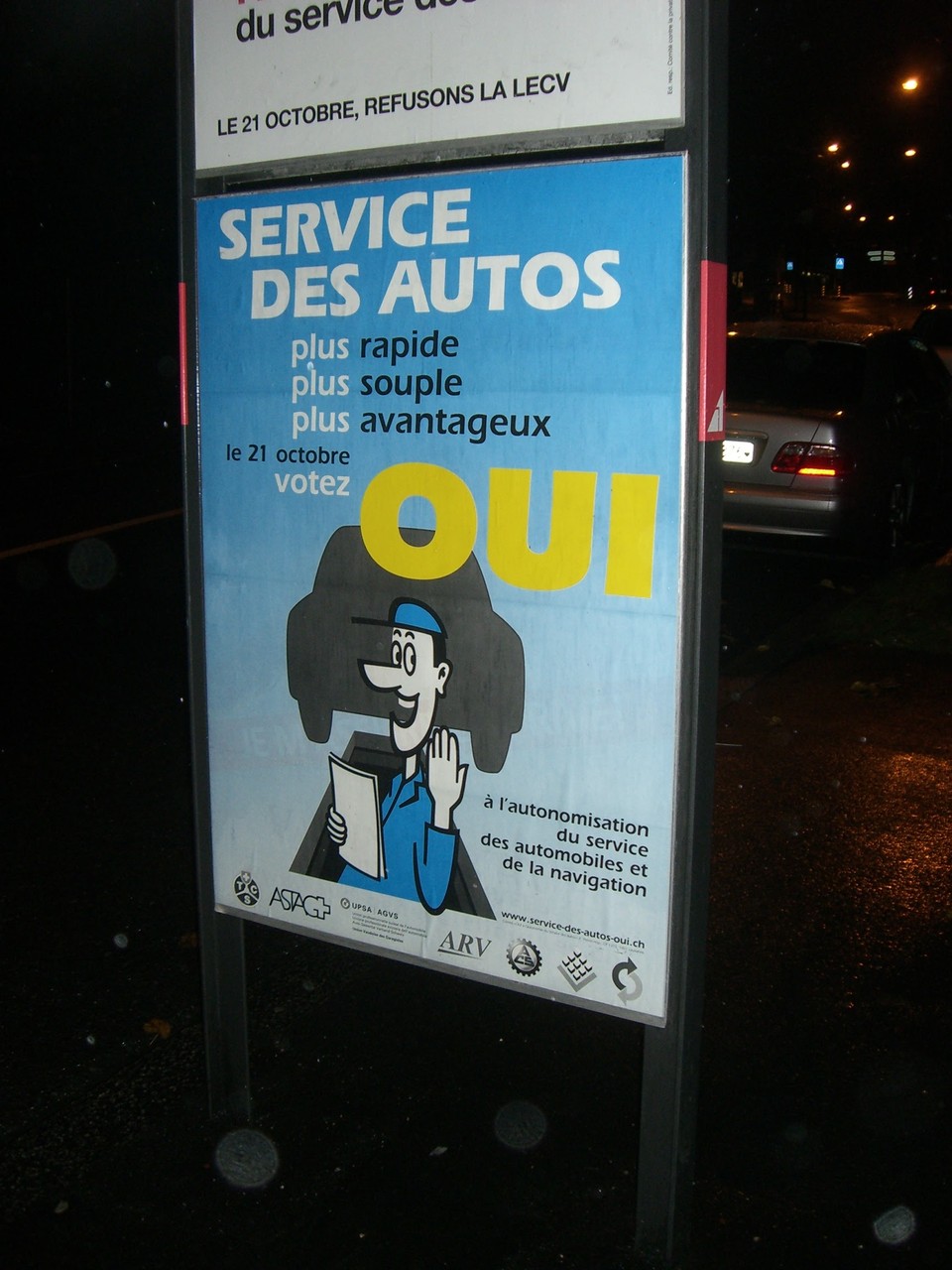
If you check Wikipedia, you can see how the Swiss political system works—a direct or semi-direct democracy. I’ll copy and paste how it functions:
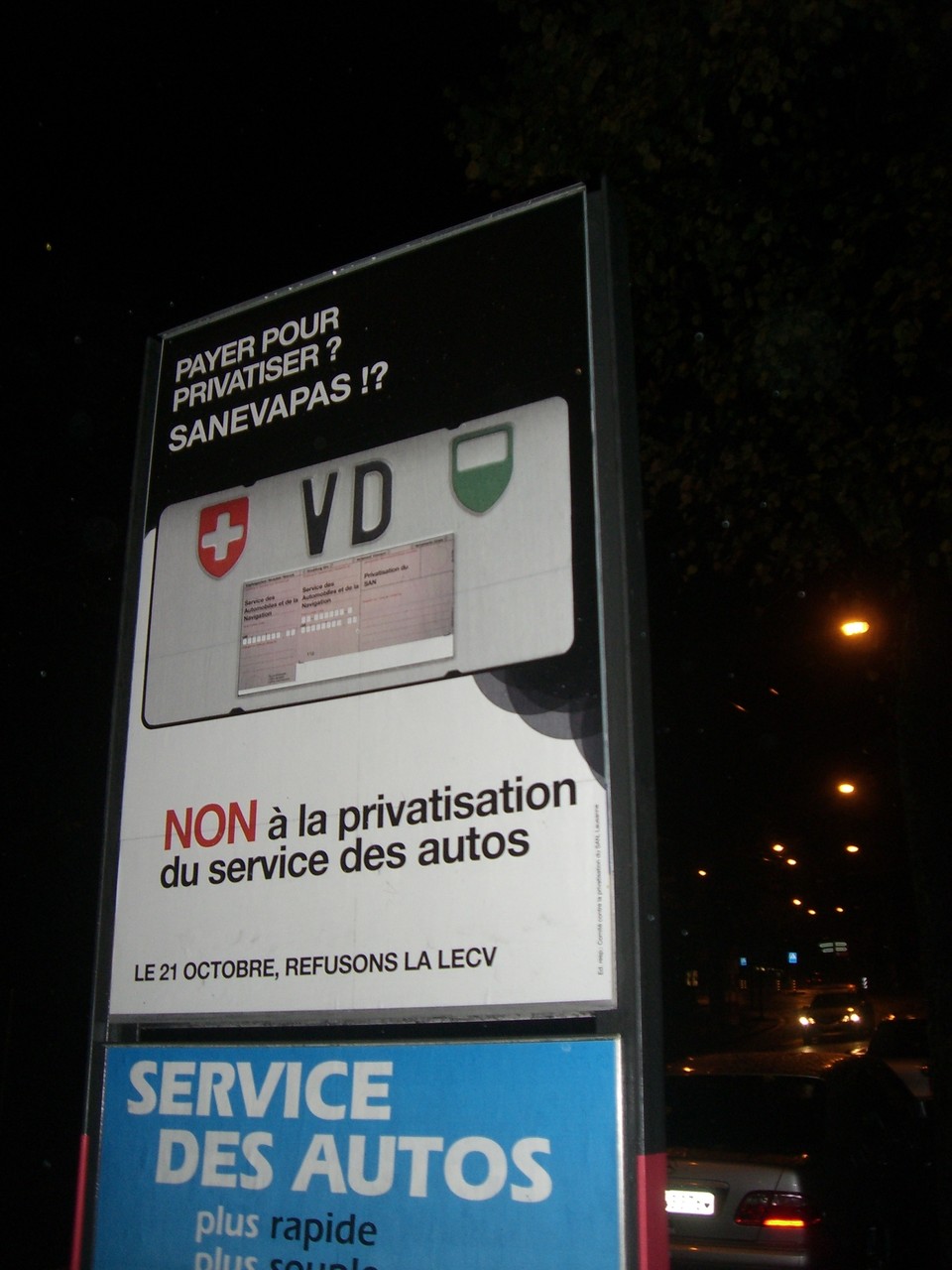
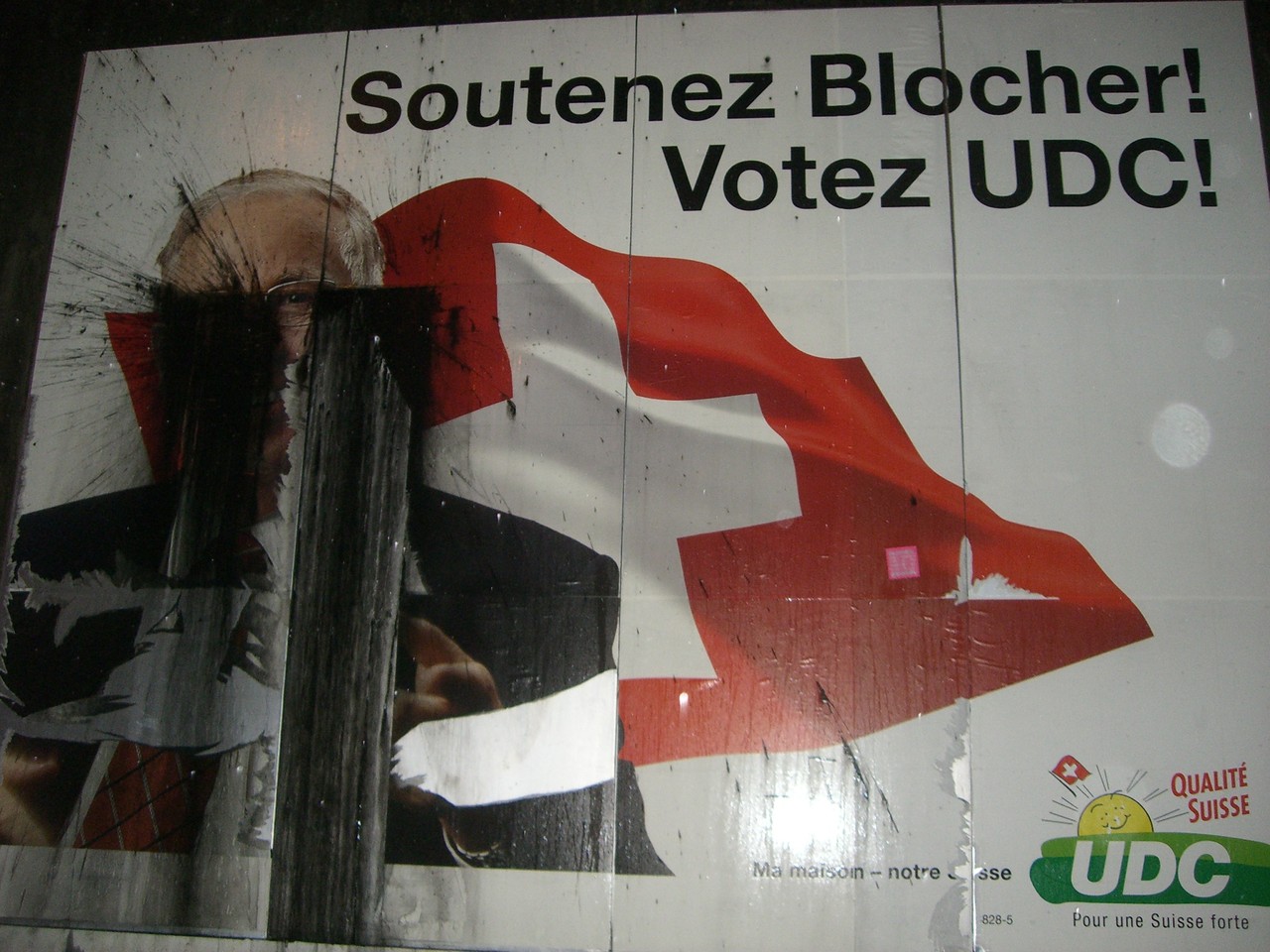
You can see all this reflected in the streets (especially now that elections are coming up), which are full of posters encouraging a particular response to any referendum (in this case from the canton of Vaduz):
Tomorrow the longest stretch of the journey awaits me, from Switzerland to Berlin. I’m leaving with a bit of regret for not having tried a typical Swiss fondue—dipping bread on a skewer into melted cheese—like Asterix in Helvetia.
|
Next post: October 2: The Unfortunate Arrival in Berlin |
Previous post: September 30: I Arrive in Switzerland |